The Story of Art - 3
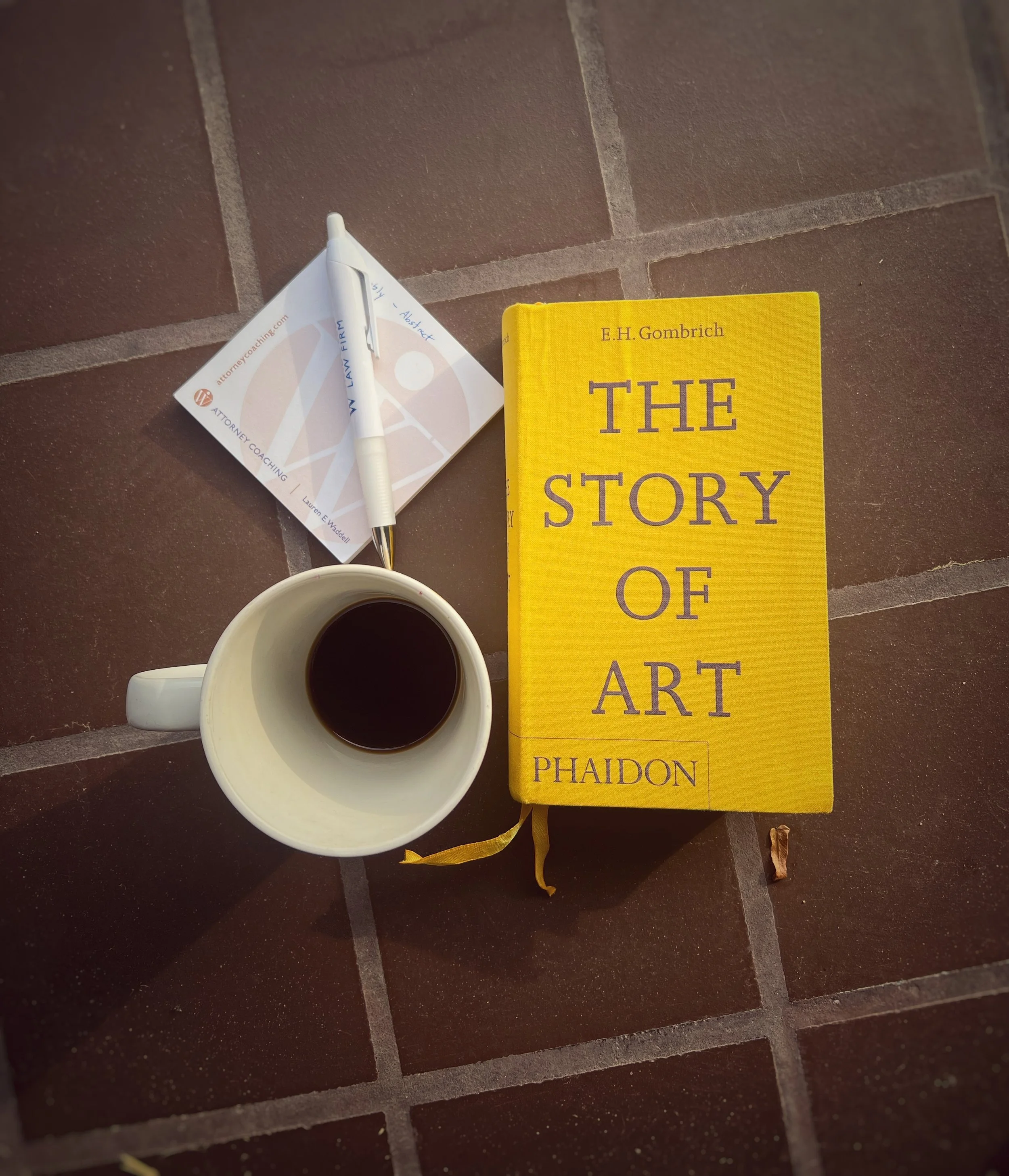
Copying other artists has been a reoccurring theme in the arts.
“Imitation is the sincerest form of flattery.” - Charles Caleb Colton (1780 - 1832), Lacon: or Many Things in Few Words
“Good artists copy, great artists steal.” - Picasso
According to Google, the Picasso quote means, “A ‘good’ artist replicates a style, while a ‘great’ artist rearranges influences to form a new, unique style.”
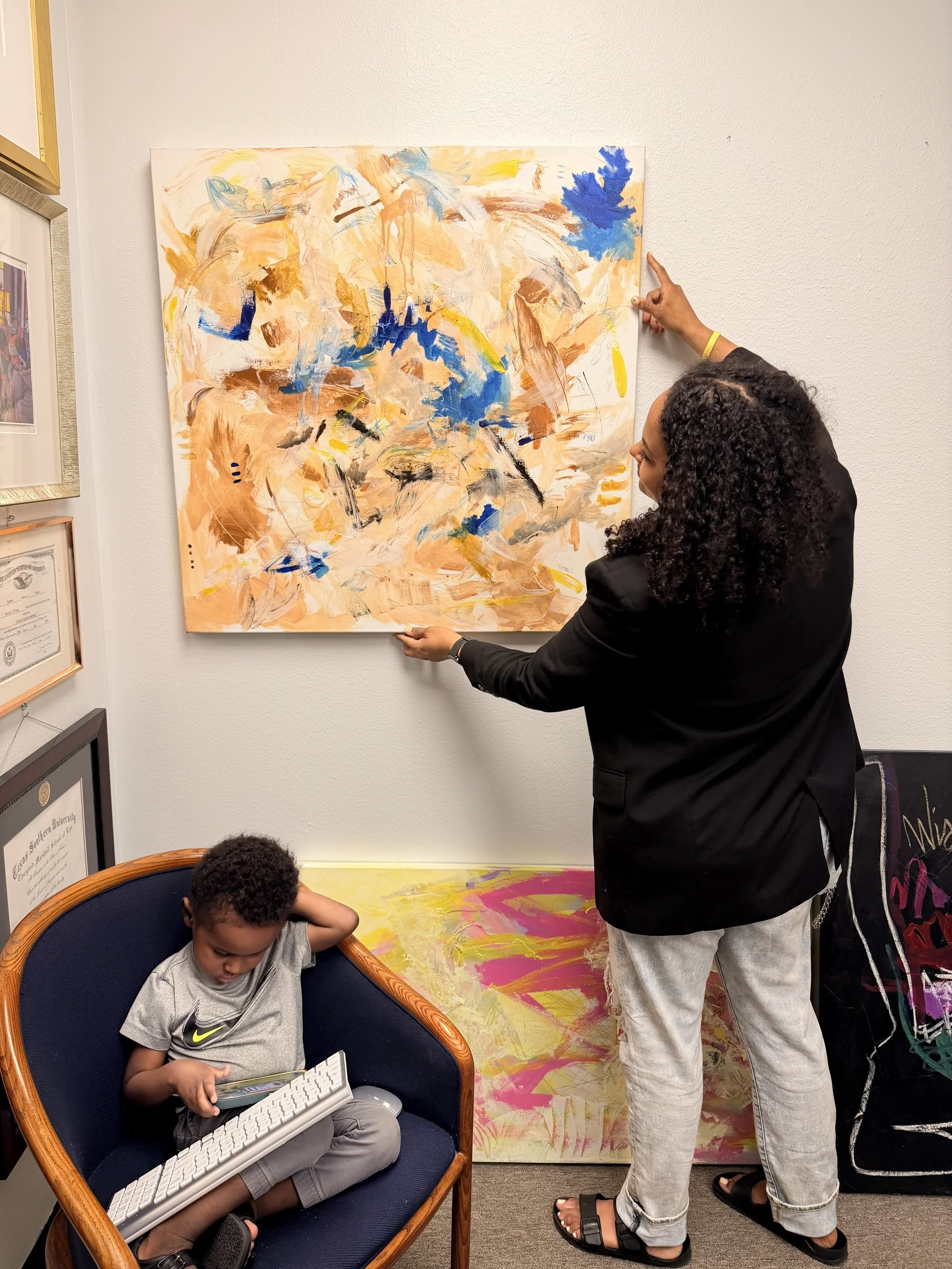
Artists work so hard to create an original, novel, body of work and our U.S.copyright system values and aims to protect these creations.
But this topic of copying is an interesting one and has come up in the book I’m reading, “The Story of Art.”
The Greeks copied and imitated the Egyptians, and the Romans copied and imitated the Greeks.
But the copying was in essence a learning technique.
With this spirit in mind, one copies or attempts to copy another artist / culture, as a form of learning how to make it— to study it, and then ideally, that act leads to mastery and then, towards the creation of something new.
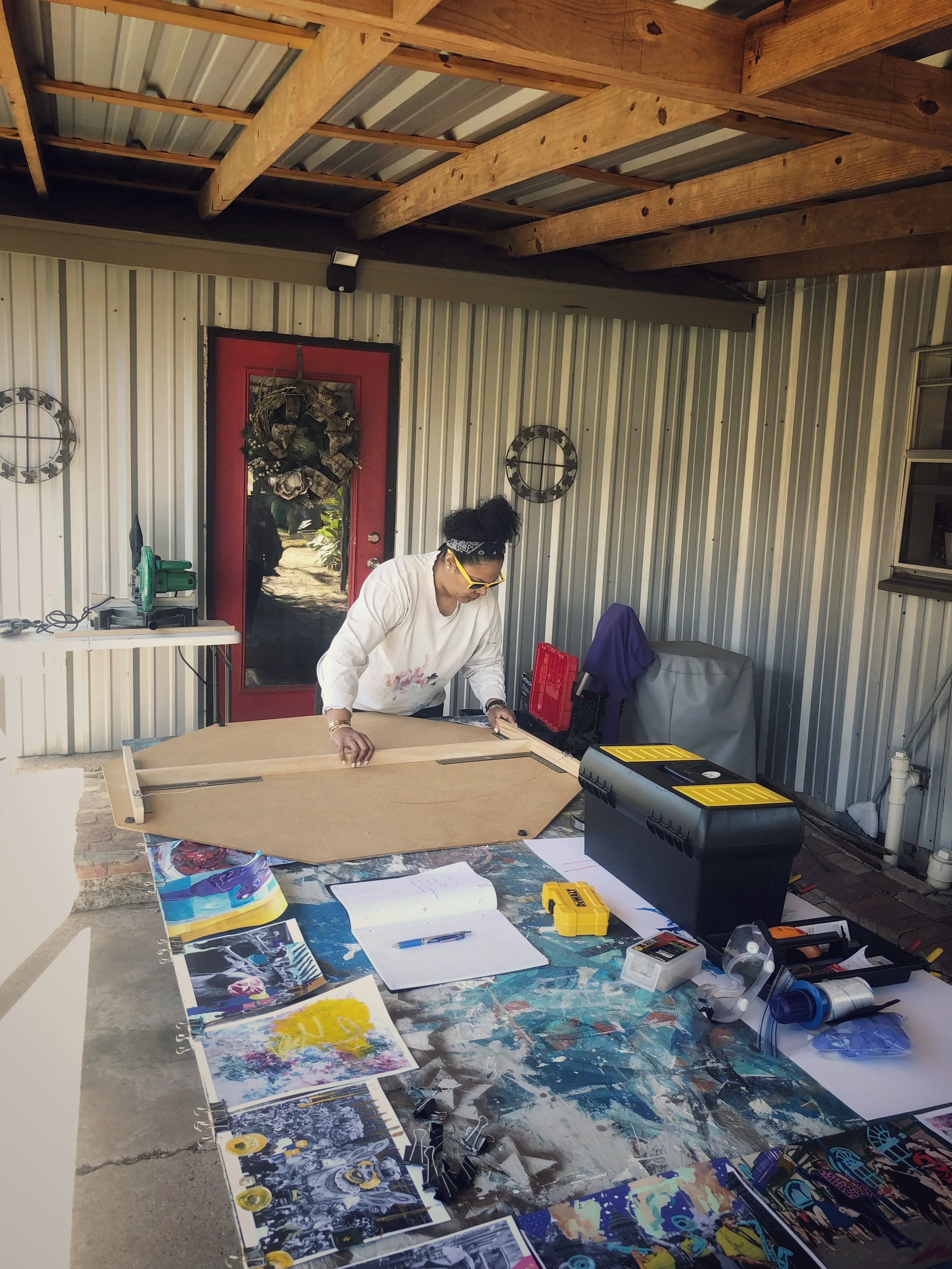
Copying (in many or all forms) is a means of how we learn as humans.
Copying is how we learn to do everything.
We model it.
We model others who are doing something in order to learn how to do it ourselves.
As innately, unique individuals, if we remain true to ourselves, it will be impossible to become another.
There will always be some imprint, the expressed essence of our one-of-a-kind self.
However, if we model each other, then is there anything ever truly original?
Perhaps, the modeling of and the perfection of a process is the natural expression of our evolutionary nature—to build upon what was once before, adapt it, so it will outlast us, and continue to benefit those who come after us?
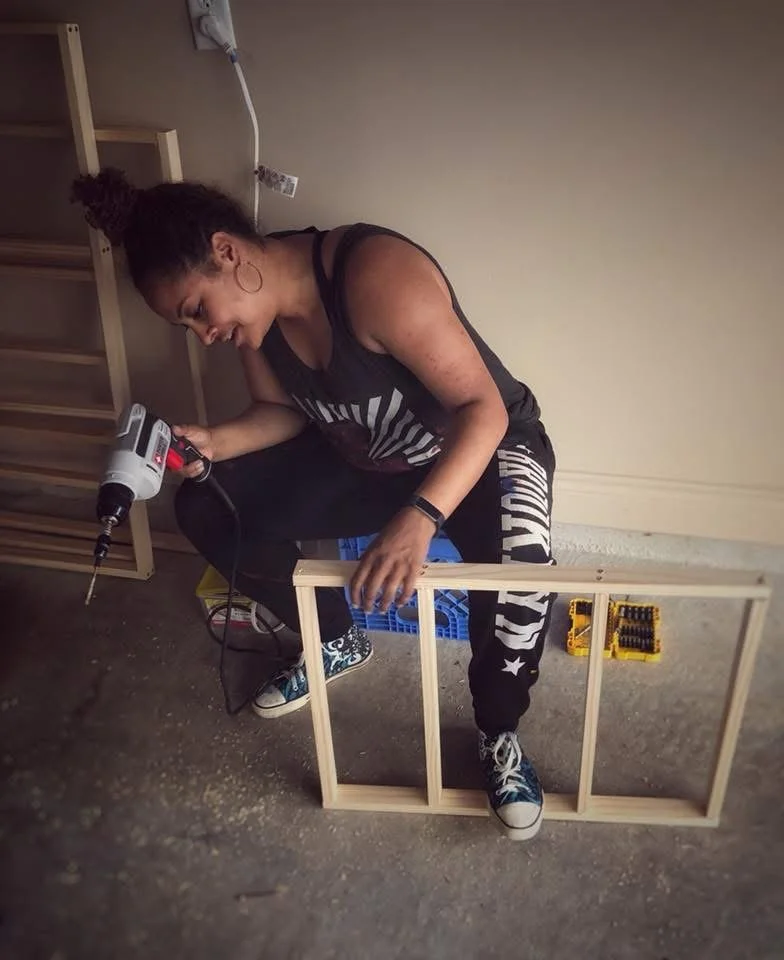
Inspiration is at the crux of why we copy.
We see something cool, something interesting and wonder, “how can I do that too?”
And then one tries.
One attempts at the thing—in effort to figure it out. To learn. To discover.
There is a honest, and pure curiousity; an intention to seek something deeper within oneself that one did not know existed until now.
There is also, copying with negative intent.
Copying purely with the intention to never make it your own, doing it for an end result that does not honor the person who inspired you—an intention to take, an intention to steal, to flip, to exploit and to profit from, without any deference or credit to the originator, is wrong.
This conversation is ever expanding, and I think a good one to ponder…not necessarily to debate. Ponder.
Ponder with self-reflection, not projection.
Do I copy others? Why? How?
Am I learning? Am I seeking?
Seeking to discover something within myself? A new possibility for myself?
What are my inner, true intentions?
This internal questioning and self-reflection is what makes us, artists. That desire to question things, to seek and discover, to try, to experiment, to see for ourselves…
To model, and then discover something we didn’t know about ourselves.
Express that, and in result, create something we are proud of.